

Communities Are Built Around Their Schools
Vital Network is Helping North Dakota Keep Great Educators
North Dakota ranked in the top 20% of states for Teaching Attractiveness.
States for ability to fill vacancies and states for teachers who remained in the same school year to year.
of schools unable to fill teacher vacancies, or are finding it difficult to do so.
of content areas identified as a "critical shortage" in 2024–2025.
This is not isolated to hard-to-staff content areas. The pressure is system-wide in every subject and every grade level.
One in three educators leave the profession within their first five years.
reported improved work-life balance after leaving.
reported more manageable workloads after leaving teaching.
While North Dakota has competitive starting pay, strong leadership, and dedicated professional development, the state still faces significant educator workforce strain.
When we address work-life balance and workload pressures, schools become more attractive places to work.
More strain is coming with an anticipated large number of folks predicted to be retiring soon as the retirement calculations were changed.
“Working in education is one of the most meaningful and challenging paths you could choose. It’s not easy. There are long days, emotional demands, and moments of frustration, but the impact you make is real and lasting.”
North Dakota’s educator retention challenge is fundamentally a workplace conditions issue, not simply a recruitment issue.
The state has important strengths, but improving day-to-day working conditions is essential to keeping educators in the profession.
Losing Teachers is Costing North Dakota
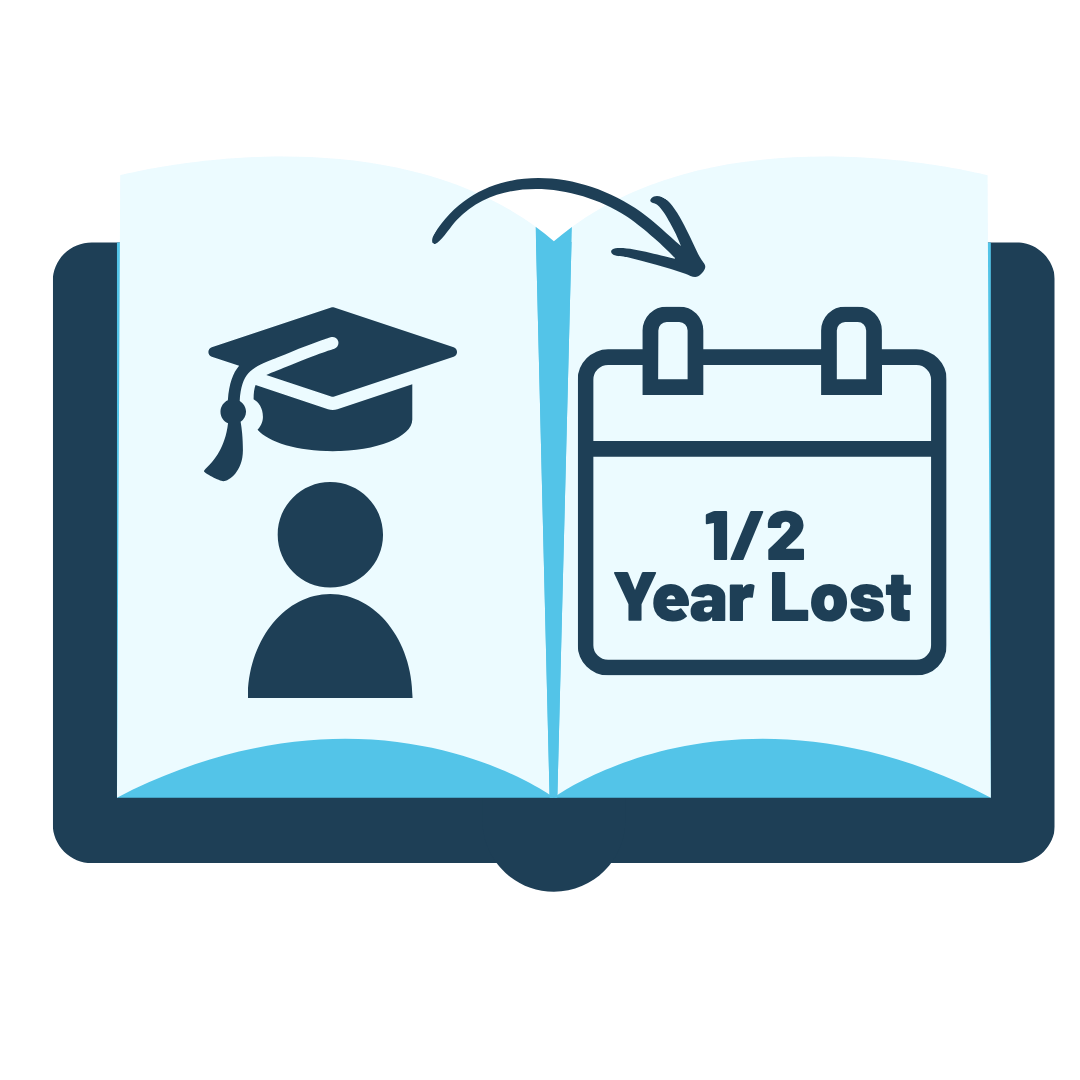
A student will lose up to ½ year of learning for every one teacher turnover*.

Turnover of one teacher costs North Dakota up to $20,000.

ND spends an estimated $25MM each year on costs associated with turnover.*

61% of schools reported being unable to, or finding it very difficult to, fill teacher vacancies.
students.
When teachers are burned out, or leave their school community, student learning and well-being suffers. Students can lose up to ½ year of learning with each teacher turnover (Henry & Redding, forthcoming).
Retaining experienced educators is essential: it preserves instructional quality, creates consistency, and fosters the relationships that fuel both academic achievement and social-emotional growth. Recognizing this, the state is investing in quality education personnel to advance its strategic vision of equipping every student with the knowledge, skills, and dispositions they need to thrive.
taxpayers.
Replacing a single teacher costs up to $20,000, totaling an estimated $25 million statewide every year.
High turnover disrupts continuity, inflating training costs and diminishing the effectiveness of every other state education initiative.
communities.
no schools,
no communities.
Schools are often the backbone of a community. Especially in rural, remote, and frontier areas, when districts can't recruit and retain educators, communities become harder to sustain.
No teachers, no schools, no communities.
Deepening the Work with Research
Educator Working Conditions are Student Learning Conditions
For North Dakota students to thrive and compete, they need exceptional teachers. However, the state faces critical challenges:
Educator burnout and turnover are significantly impacting student outcomes across all areas.
Retention and recruitment are pressing issues, particularly in rural communities.
The growing educator shortages are driven by:
An increasing number of teachers considering leaving the profession.
A declining pool of educators committed to long-term careers in teaching.
To tackle these issues, Vital has also joined forces with the North Dakota Department of Public Instruction on a research partnership. This partnership focuses on identifying and implementing effective strategies to make schools great places to work—ensuring educators stay and students benefit.
This collaboration centers on a multi-year research initiative with three primary goals:
Understand the state of teacher retention and well-being across North Dakota.
Pinpoint opportunities for innovation to enhance educators’ workplace experiences and career longevity.
Position North Dakota as a leader in advancing public understanding of the factors affecting teacher retention and well-being.
The project will compare outcomes in North Dakota districts and schools actively engaging in retention and well-being initiatives through Vital Network with those that have not yet implemented the Vital program. By analyzing the differences, the research will provide actionable insights to strengthen educator retention and improve learning environments statewide.