
When the Cost of Staying Outweighs the Call to Teach
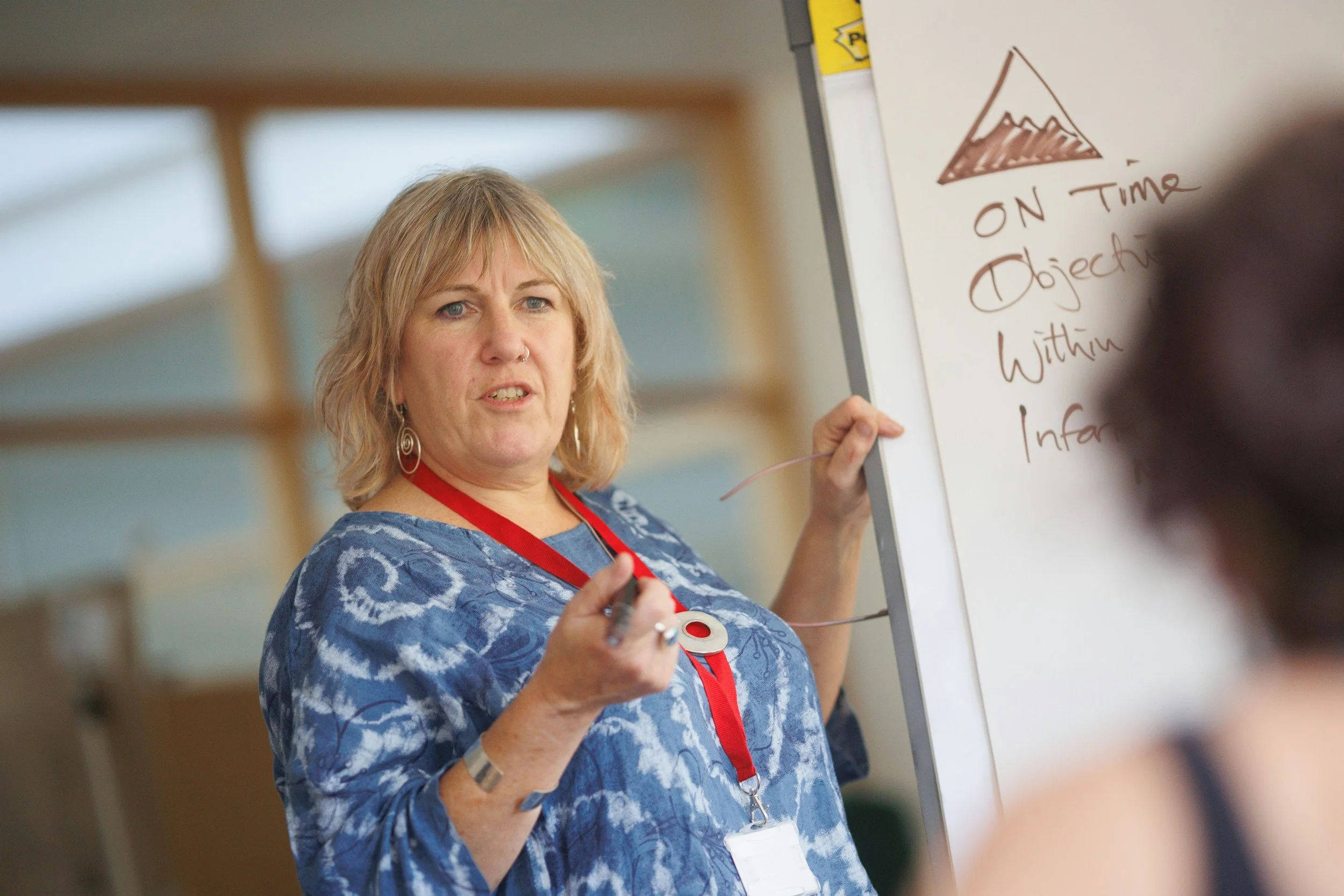
Teachers don’t leave because they stop caring. They leave when the math stops working. National data show widening gaps between teacher pay and the cost of living, with housing and wages moving in opposite directions. In districts across the country, educators are quietly asking how long they can sustain the work they love without risking their own stability. The real question isn’t whether teachers care. It’s whether they can afford to keep caring here.
AI in the Teacher’s Toolkit: What Helps and What Gets in the Way
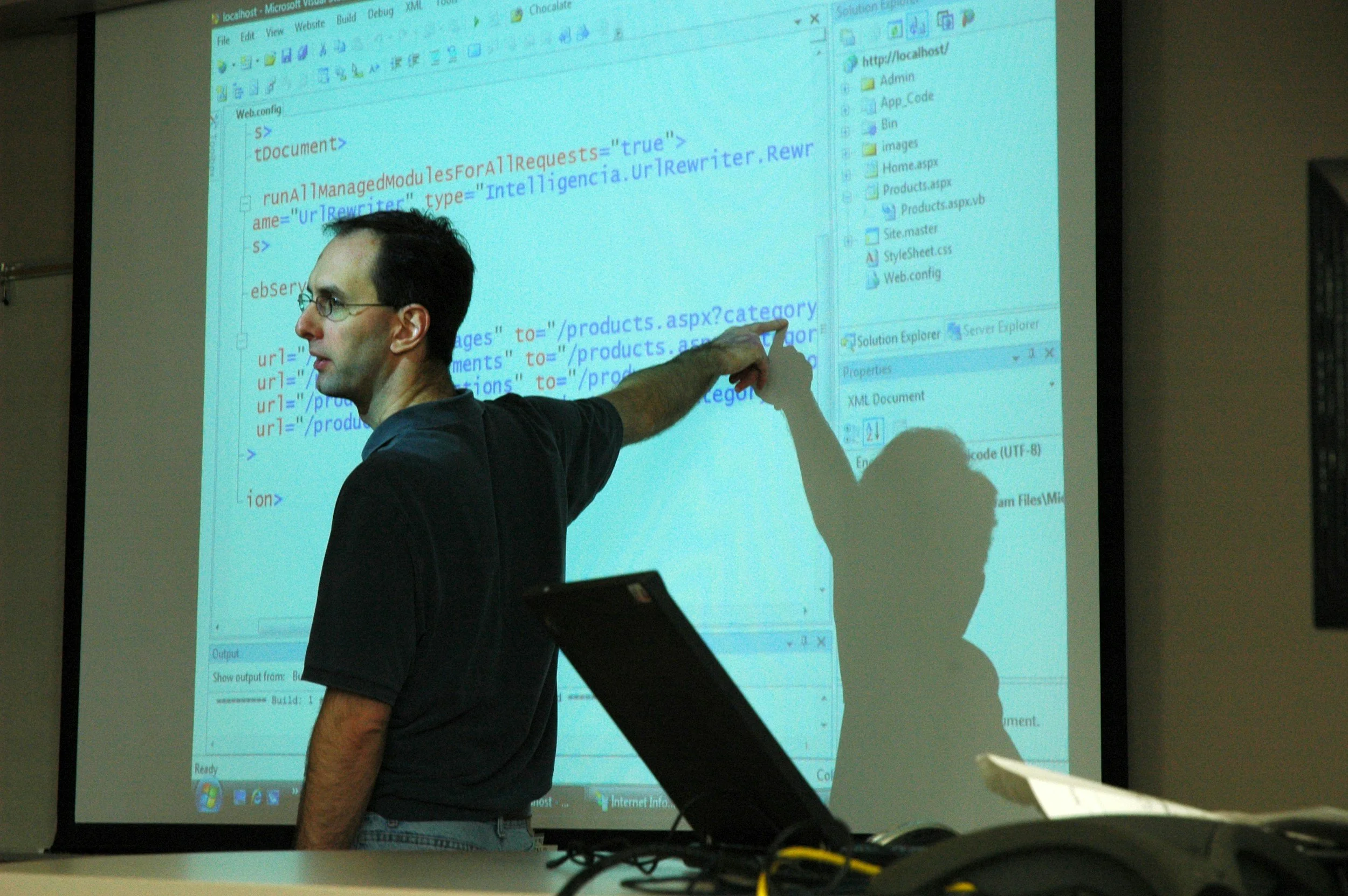
AI didn’t arrive in schools through a thoughtful rollout. It showed up quickly, often through students’ phones, and teachers were left to make sense of it in real time. Now the conversation has shifted. The question is less about whether AI will stay and more about whether it actually helps teachers do their work. National research shows adoption is rising, but meaningful workload relief remains limited. The difference comes down to clarity. When expectations are stable and AI is framed as a planning support rather than a replacement for thinking, it can strengthen instruction. When norms are unclear, it simply adds weight to an already full day.

Belonging Starts Early: Rethinking Mentorship for Gen Z Teachers
New educators enter schools ready to teach and ready to learn. But what shapes whether they stay is belonging. Research on teacher retention continues to point to mentoring programs and intentional induction as key supports for early-career and Gen Z teachers. Schools that offer clarity, connection, and a consistent mentor, help new educators find their footing faster and build a hopeful future in the profession.

Beyond the Ban: What Schools Learn From Limiting Students’ Phone Use
Phones are now a daily part of school life, but the way schools handle them often puts teachers in an impossible position. This piece looks beyond the debate over bans to examine what actually changes when phone policies are treated as shared expectations rather than individual enforcement. Drawing on research and lived experience, it explores how clarity, consistency, and culture shape focus, energy, and classroom life.

Keep the Principal, Keep the Teachers
Teacher retention is often framed as a staffing problem, but stability inside a school begins with leadership. When principals stay long enough to build trust, align priorities, and protect teachers’ time, the entire building benefits. When leadership churn becomes the norm, even strong schools feel the strain. Research shows that keeping principals supported, focused, and sustainably positioned is one of the clearest ways to keep great teachers in classrooms. Retention doesn’t start with incentives or slogans. It starts with leadership systems that actually work.
Teacher Shortages Aren’t Just About Hiring. They’re About Hope.
School leaders talk about “morale” when the building feels heavy, but morale isn’t just a mood to lift. It’s a signal. Appreciation lunches and small perks can help, but they rarely change what’s underneath: the daily conditions that shape whether teaching feels doable. When educators describe good days, they talk about student breakthroughs, lessons that land, and colleagues who have their back. When they describe bad days, it’s more often endless tasks, confusing communication, meeting overload, and tension between adults. That’s where morale actually lives.

Why Teachers Can’t Self-Care Their Way Out of Burnout
Few words are spoken as often, but so consistently misunderstood, as burnout. We fear it. We try to hold it at bay. We generally know when we’re feeling it. But do we really know what it is?
According to 2022 research from Gallup, 44% of teachers report “always” or “very often” feeling burned out at work. That’s deeply worrisome for those individuals—and for the teaching profession as a whole. If we’re going to do something about it, we need to understand it first.

Improving Teacher Morale: Good Lessons from Bad Days
School leaders talk about morale a lot, usually when things feel heavy. The default response is often to try to lift spirits for a moment with treats, theme days, or appreciation events. Those gestures matter, but they do not change how the work actually feels.
In this piece, we look beneath the language of “low morale” to what educators describe as their best and hardest days at work. The throughline is clear: morale is not a feeling to fix, it is a reflection of how well a school functions for the adults inside it. When routines, communication, and collaboration are designed well, good days become possible more often.

Fixing the System, Not the People: Rethinking Burnout at AESA
Preview our AESA session: how small, honest changes at CREA clarified who decides what, improved communication, and eased burnout across a regional team.

Teacher Retention Starts with One Question: “How Are the Adults?”
Schools are usually built around one question: How are the kids? We measure it, we debate it, we obsess over it.
And that makes sense, because the students matter most. That’s a fact in education.
But here’s the hard truth: kids don’t thrive if the adults around them are working in systems that drain them dry. No teaching philosophy is expansive enough to cover that. When the conditions of work disconnect teachers from their purpose, the costs add up. At some point, they either endure at great expense or they leave.

The Future of Education Starts with Great Workplaces
In the latest Trending in Education episode, Mike Palmer sits down with Vital Network founder Nate Eklund to slash through the “hang in there” pep talks and expose what’s really chewing up educators: pointless meetings, top-down decision-making, and job designs that treat teachers like martyrs. They share how schools in North Dakota are already flipping the script—streamlining meetings, shifting power to the people doing the work, and measuring true well-being, not just test scores.

Workplace Culture, At School?
We’re quite remarkable in what we do everyday for every student.
What would school look like if we applied those same approaches and care to the adults working in schools?

Addressing Our Educator Shortage
The United States is facing a massive educator shortage, and it's impacting our classrooms, communities, and students. As the 2023-24 school year began, nearly half of public schools reported struggles in filling open teaching positions. The numbers were stark: in just one year, vacancies jumped from 36,000 in 2022 to 55,000 in 2023, and the percentage of classrooms filled by underqualified teachers continued to grow.
So, what’s driving this trend? And more importantly, how can we reverse it?

Boosting Educator Hope and Vitality
Hope. Vitality. What do these words bring to mind in the context of education? For most of us, they conjure images of students thriving, reaching their full potential, and becoming their best selves. But what about the educators themselves? In a profession known for high turnover rates and low job satisfaction, an infusion of hope and vitality is exactly what’s needed to keep teachers teaching—and, in turn, students learning.
Ending Educator Burnout
Educator burnout has reached a critical point, with K-12 workers experiencing the highest burnout rates of any industry in the U.S. Over half of teachers are considering leaving the profession early, creating an urgent crisis that demands more than temporary fixes. We need solutions that address the root causes of burnout, transforming teaching from a draining endeavor into a sustainable, fulfilling career. But what exactly is burnout, and why does it matter? Most importantly, what can be done to address it?

Beyond Test Scores: Schools as Vibrant Workplaces
In this EdTalk video, Vital Network founder Nate Eklund dives into the heart of what makes a workplace truly fulfilling. Drawing on his years of experience in education and workplace consulting, Nate explores why it’s so important to love what you do and how transformative leadership can create a vibrant, engaging culture for everyone.