

Communities Are Built Around Their Schools
Schools are built by the teachers and leaders who show up for kids everyday.
new teachers leave the profession within their first 5 years.
of those departures are retirements. The rest walk away mid-career.
of Minnesota teaching positions are vacant or filled by someone not fully licensed for the role. That’s 20,846 classrooms.
licensed Tier 3/4 educators, 36% of the total, are no longer teaching in Minnesota classrooms.
According to data from the Learning Policy Institute, North Dakota and Wisconsin are outperforming Minnesota when it comes to attracting and keeping teachers. The issue isn’t a mystery: our neighbors are winning on better pay, stronger early-career support, and more robust teacher pipelines. Right now, Minnesota is stuck in the middle of the pack, and our classrooms are paying the price.
Why Educator Retention MattersThe cost: turnover hits Minnesota students, taxpayers, and communities.
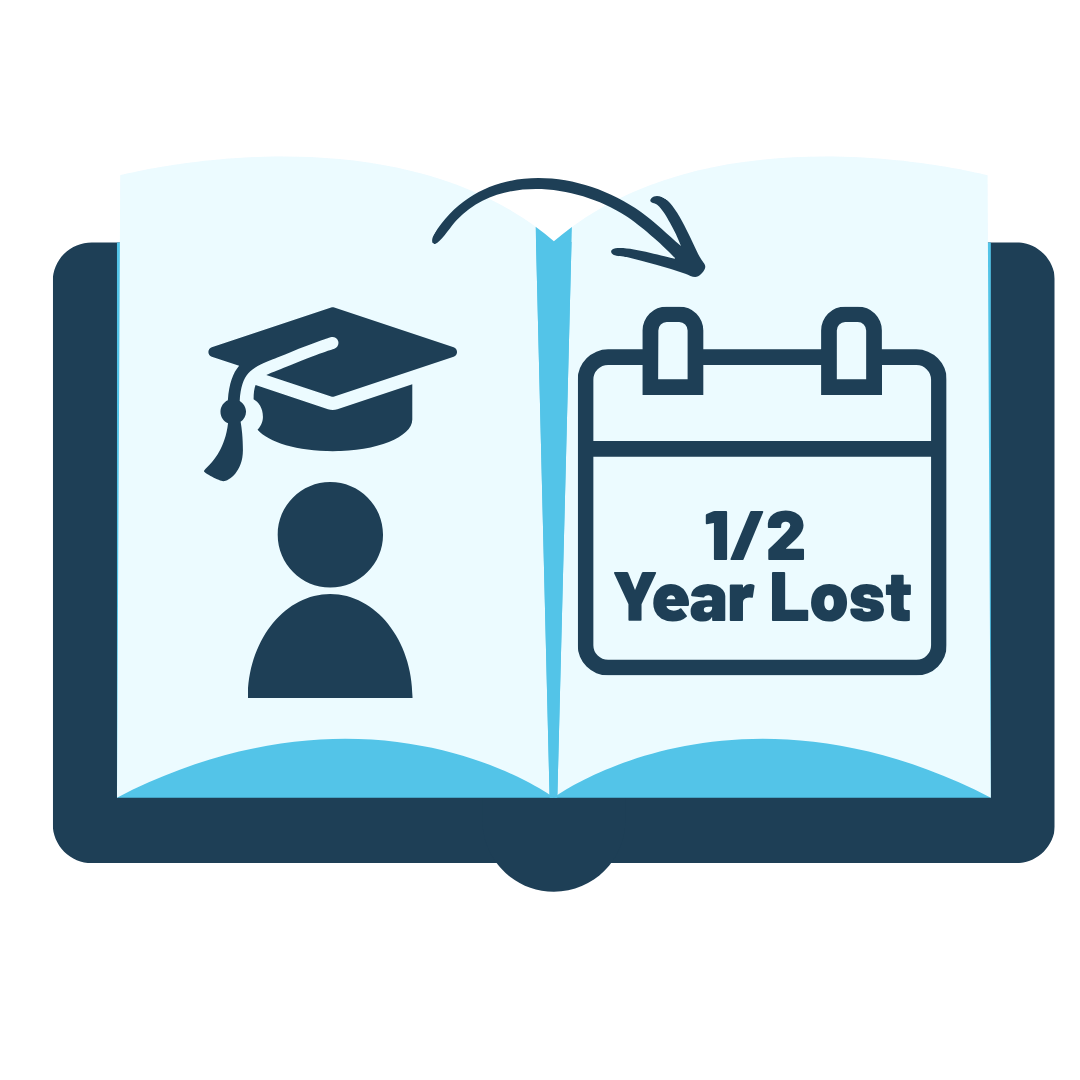
A student will lose up to ½ year of learning for every one teacher turnover.

Turnover of one teacher costs Minnesota up to $20,000.
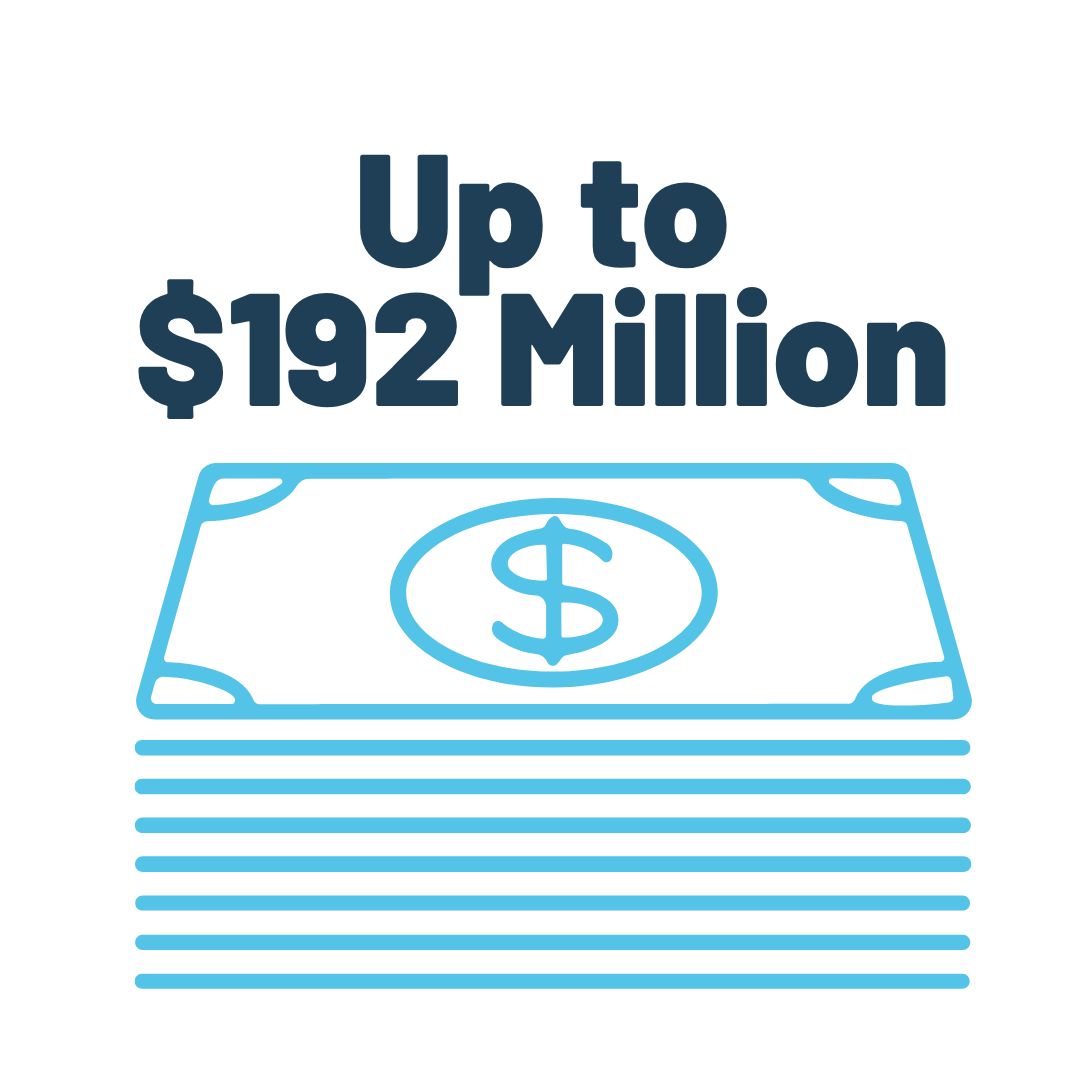
Estimated Minnesota total cost associated with educator turnover, 2024–25.

7 out of 10 Minnesota School Districts report vacancies.
So Why Are They Leaving?
Educators tell us workplace conditions are a big part of it.

of Minnesota educators say that school climate, especially leadership support, drives teacher exits.
of teachers who left the profession said work-life balance was better in their new job.
of teachers who left said their workload was more manageable in their new job.
Vital Network is already improving educator retention in North Dakota.
Since 2023, Vital Network has partnered with districts serving roughly half of North Dakota’s educators, measurably improving the conditions that make teachers stay. Look at the work happening next door and see how we can help in Minnesota.
Sources
- Ingersoll et al., 2018
- NCES National Teacher and Principal Survey, 2021
- NCES Teacher Follow-Up Survey, 2021–22
- PELSB Minnesota Supply & Demand Report, 2025
- PELSB MNSPIRE Teacher Survey Summary Report, June 2022
- Learning Policy Institute, 2024
- Learning Policy Institute, The State of the Teacher Workforce
- Minnesota DEED
What North Dakota Educators Say
Across districts partnering with Vital Network, educator voice data reveals a consistent statewide pattern: educators remain deeply connected to students and to the purpose of their work, even as structural conditions continue to strain daily experience.
Source: Vital Educator Workplace Experience Survey, Fall 2025 (N = 5,370)
Working in education is one of the most meaningful and challenging paths you could choose. It’s not easy. There are long days, emotional demands, and moments of frustration, but the impact you make is real and lasting.
— Fargo educator
Through the Vital Experience survey, educators reported…
The extent to which required meetings are worthwhile.
The ability to maintain a healthy balance between school responsibilities and your life outside of work.
The experience of having enough time, resources, and support to do the job well without the work feeling unmanageable.
When we address work-life balance and workload pressure, schools become more attractive places to work.
How and Why: Measuring Educator Experience – Pillars of Educator Experience
Quality of leadership relationships, collegial trust, and sense of community among staff and families.
Psychological safety and belonging are foundational for engagement, collaboration, and stability.
Educator input in school and district decisions, clarity of communication, and collective problem-solving.
Ownership and collective efficacy are strong predictors of motivation and retention.
Workload manageability, value of meetings, and autonomy over time use.
Sustainable time use reduces burnout and protects effectiveness.
Hope, sense of purpose, energy, and belief in school improvement.
Closely linked to intent to stay and long-term career satisfaction.
Surveys & Actionable Insights
Vital surveys are meticulously crafted to be short, practical, and lead to learning and action. Data are delivered quickly to allow data review to happen right away.
Each question yields insights on the leading indicators of what makes great places to work, illuminating educator experiences that help leaders get ahead of burnout and turnover. By drawing on the latest research on the underlying causes of educator well-being and job satisfaction, the data become a powerful shared text on which teams can reflect, act, and improve.
- The people closest to me would say that I speak positively about my job.
- Most days, I feel a sense of accomplishment about what I do.
- I receive the information I need in order to effectively do my job.
- Staff have a process through which we work with administration to improve our school.
- Staff in my school work well as a team.
- Educators are respected in my community.
- The amount of time I spend in scheduled meetings is reasonable.
- I find value in the meetings I am required to attend.
Vital Districts are seeing increases in critical areas of workplace experience: Hope, Life Balance, Workload Manageability among the top ranked.
Resources & Reports
Research, tools, and reference materials from Vital Network's work in North Dakota.
The full research report on educator workforce conditions in North Dakota. Data, findings, and recommendations.
View Resource →Learn how more than 10,000 special education professionals across North Dakota experienced their workplace during the 2025-26 school year, in this short policy brief.
Download PDF →An interactive self-assessment tool helping school and district leaders identify their mindset strengths and growth opportunities.
Take the Quiz →Jeff McCanna shares how Vital Network transformed staff well-being and organizational health at one of North Dakota's largest school districts.
Dr. Jeff McCanna
Chief Human Capital Officer, Fargo Public Schools
North Dakota education leaders speak on Vital Network's influence: amplifying voices, improving morale, and driving measurable change.
Download →